Why Dubai is the World’s Top Real Estate Investment Destination
We build in Dubai because the city rewards patience, quality, and clear thinking. For us at Meraki Developers, dubai real estate is not only an asset class; it is a lived experience shaped by safety, infrastructure, design, and community.
In 2024, Dubai’s residential market saw prices increase by 4.3% in Q3, resulting in a 19.9% year-on-year growth, with total deal values surpassing AED 306.3 billion, a 36% rise from 2023. In 2024, Dubai’s residential market saw prices increase by 4.3% in Q3, resulting in a year-on-year growth of 19.9%, indicating a strong investment opportunity in the real estate sector. That performance, alongside strong rental yields and a tax free environment, explains why so many investors now look to invest in dubai first.
As a backwards-integrated developer behind communities such as The Haven in Al Majan and Nirvana Residence 1 in Dubai Production City, Me’aisem, we see the same truth every day: buyers want returns, but they also want homes that feel calm, useful, and enduring. This guide is our practical view of real estate investment in Dubai, whether you are buying property for the first time or building a portfolio.
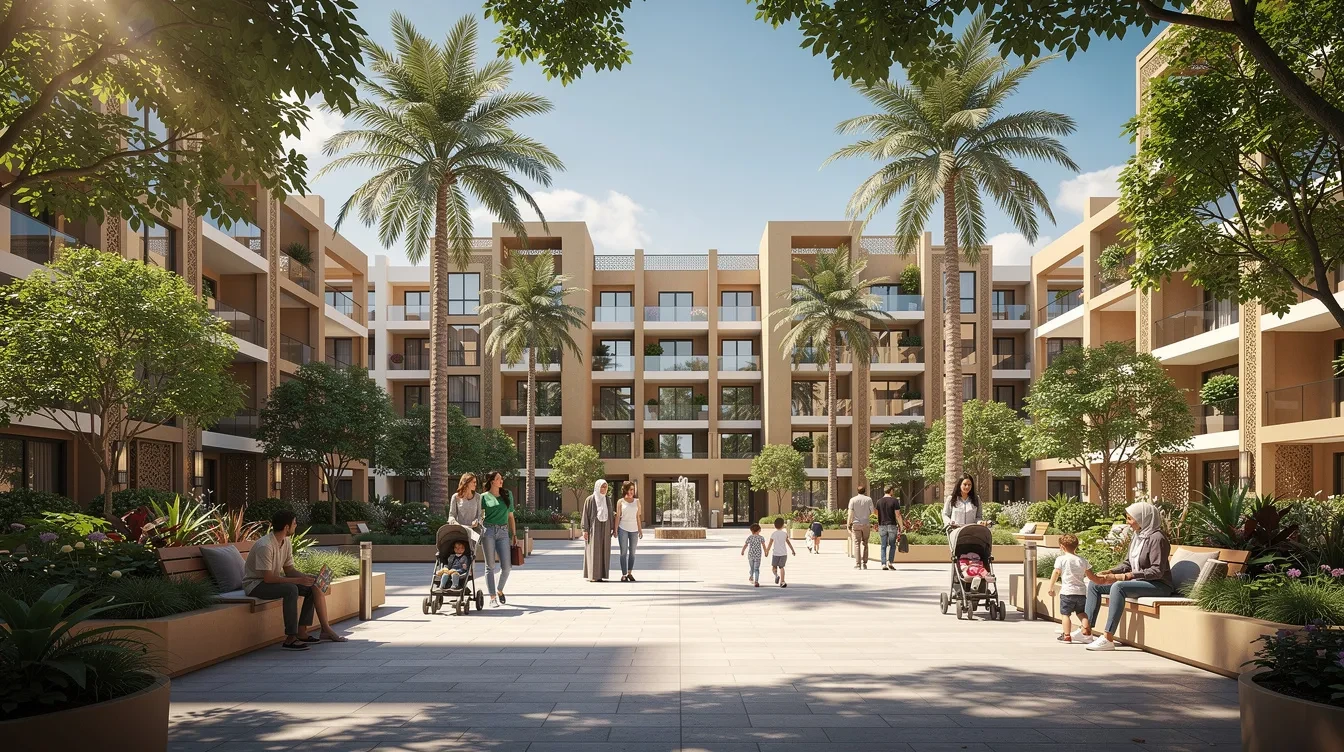
1. Tax‑Free, Investor‑Friendly Environment
Dubai is known for its tax-free environment, as it does not impose income tax, capital gains tax, or property tax, which significantly enhances potential returns for investors. Dubai’s real estate market is characterized by a tax-free environment, with no income tax, capital gains tax, or property tax, enhancing potential returns for investors.
Key benefits include:
Rental income from an investment property is not taxed at the individual level.
Capital gains are not taxed when individual owners sell.
There is no annual property tax on freehold residential units.
The Golden Visa program in Dubai offers long-term residency to investors, which is an attractive incentive for foreign buyers looking to invest in real estate without the burden of taxes.
There are still costs. The dubai land department charges a transfer fee, and buyers should budget an additional 7% to 8% of the purchase price for upfront costs in Dubai’s real estate transactions, including registration, agency fees, and related services. Service charges, maintenance, finance costs, and mortgage fees also need to be included in the account before money is paid.
This structure helps local and international investors keep more savings, reinvest capital gains into new units, and build wealth with fewer tax leaks than in many global cities.
2. A Booming, Diversified Economy Underpinning Real Estate
Dubai’s property strength is built on more than one sector. Tourism, logistics, trade, financial services, residential development, commercial real estate, and dubai’s strategic location all support the real estate market.
The UAE’s economy is projected to grow by 4.8% in June 2025, bolstered by initiatives like Dubai Vision 2030, which enhances investor confidence in the stability and growth of the real estate market.
Dubai’s D33 agenda aims to double the economy by 2033, supporting continued growth in prime areas and emerging districts.
Dubai’s population growth, which reached over 4 million in November 2025, is driving demand for housing and supporting consistent growth in property sales and rental prices.
Dubai’s rental market is highly competitive due to a rapidly growing population and a skilled workforce, ensuring strong demand for rental properties.
Global businesses, entrepreneurs, and family members relocating to the UAE create growing demand for apartments, villas, schools, healthcare, and everyday services.
This is why we see dubai not as a short cycle, but as a long-term investment in dubai supported by strong fundamentals.
3. Strong Returns: Rental Yields and Capital Appreciation
Investors are drawn to Dubai because the city combines rental income with capital appreciation. As of December 2025, the average rental yield in Dubai was 6.8%, with apartments yielding an average of 7.3% and villas at 5.0%. The average rental yield in Dubai was reported at 6.8% in 2025, with apartments yielding an average of 7.3%, making it an attractive market for rental income.
Prime areas in Dubai often deliver gross rental yields of 6% to 8%, which outpace many global cities, making it an attractive market for investors. Investors in Dubai benefit from high rental yields in a tax-free environment, allowing for greater profitability compared to many other global markets.
A simple way to think about it:
Strategy | What it can offer | Main risks |
|---|---|---|
Ready apartment | Immediate rent from tenants | Higher price, less early upside |
Off-plan apartment | Lower entry cost, potential value uplift | Delivery and market timing risks |
Villas | Space, family demand, resale value | Larger budget and upkeep |
Off-plan market dominance is characterized by attractive developer payment plans, high capital appreciation potential, and limited supply of ready stock. Still, a good investment strategy should separate speculation from fundamentals: location, design, payment plan, developer delivery, and the ability to sell or rent in different market conditions.
4. World‑Class Infrastructure, Safety, and Quality of Life
Dubai works because daily life works. Roads connect smoothly, airports link the world, schools serve global families, and public spaces continue to improve. That is why property values are supported by real demand, not just marketing.
Dubai Metro, road corridors, Dubai International Airport, and Al Maktoum International Airport all influence property prices and access.
Safety, political stability, and clear legal structures help protect investors and buyers.
Downtown Dubai, Dubai Marina, and Palm Jumeirah are among the most popular areas for real estate investments, known for their luxury apartments and vibrant lifestyle.
Downtown Dubai, Dubai Hills Estate, Dubai Creek Harbour, Emaar Beachfront, and Me’aisem all show how lifestyle infrastructure affects rent, occupancy, and long-term value.
The Dubai 2040 Urban Master Plan supports green space, walkability, and community-focused neighborhoods.
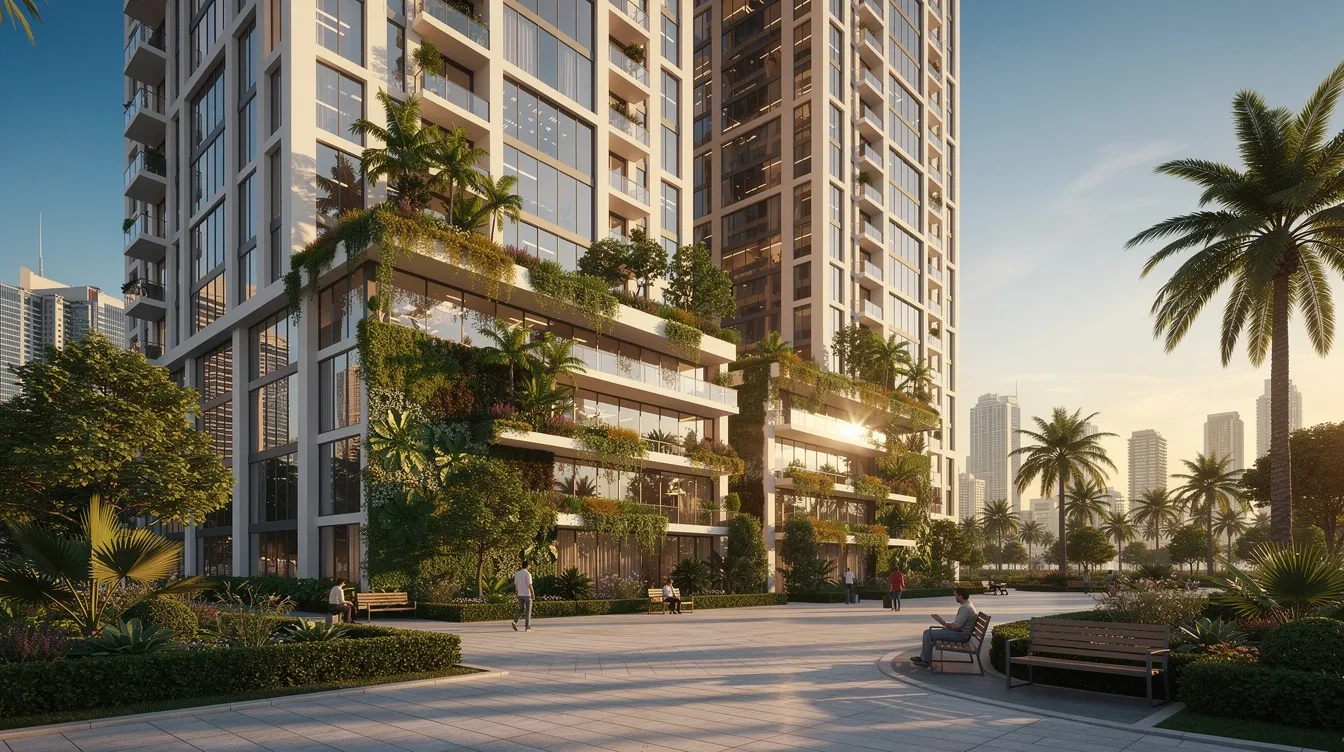
For us, this matters deeply. A house is not only a financial product. A good apartment must welcome people home after work, give children space to grow, and help residents feel settled.
5. Transparent, Regulated Real Estate Market
Dubai has matured into a transparent, regulated real estate market overseen by the Dubai Land Department and the real estate regulatory agency, RERA. The Dubai Land Department (DLD) strictly enforces escrow account regulations for off-plan developments, providing legal protection for international capital.
For off-plan purchases, buyer payments must be made into an RERA-approved escrow account. Projects are registered, funds are monitored, and progress is tracked. This reduces risks for overseas buyers who cannot visit every month.
Other protections include:
Property transactions in Dubai must be registered with the DLD within 60 days to obtain legal ownership.
Foreign non-GCC nationals must purchase property in designated Freehold Zones to grant them 100% legal ownership of the structure and the land.
Digital systems and public transaction data help buyers make an informed decision instead of relying only on real estate agents.
Service charges and contracts are increasingly standardized.
At Meraki, regulation is the baseline. Our in-house engineering, contracting, and fabrication add another layer of control over quality, timelines, cost, and delivery.
6. Best Property Types and Locations for Investment in Dubai
Not every property performs the same way. The right investment property depends on budget, time horizon, yield target, and lifestyle demand.
Established prime areas such as downtown dubai, Dubai Marina, Palm Jumeirah, and Dubai Hills Estate offer liquidity, prestige, and long-term capital appreciation.
Emerging hotspots like Dubai Hills Estate, Dubai Creek Harbour, and Emaar Beachfront are top choices for investors seeking strong capital appreciation and high rental yields due to their premium amenities and excellent connectivity.
Up-and-coming communities such as Emaar South, The Valley, The Oasis, and Rashid Yachts & Marina present lucrative investment opportunities with their strategic locations and growing demand.
Low-density communities such as Dubai South and Emaar South offer strong capital growth as the city expands, targeting expatriate professionals.
Apartments usually offer a lower entry price and stronger rental yields, while villas can suit families seeking space and long-term stability.
Our focus is mid-entry, design-led residential living: studios to three-bedroom units, generous layouts, natural light, and wellness amenities. In communities such as Al Majan and Dubai Production City, this balance can support both end-users and investors seeking higher returns without chasing hype.
7. Off‑Plan vs Ready: Choosing the Right Path
Ready property gives immediate rent, visible quality, and a clear tenant market. Off-plan property gives staged payments, new design, potential capital appreciation, and the chance to enter a growing community before prices rise.
For example, studios at Nirvana Residence 1 start from around AED 700,000, creating an accessible route for buyers who want a modern apartment with a realistic payment structure. If infrastructure, demand, and delivery all move in the right direction, the resale value may strengthen by handover.
There is one supply point investors should understand. While developers have over 150,000 units launched recently, actual on-time handovers are between 40,000 to 50,000 units, mitigating oversupply concerns. That gap is one reason ready stock can remain limited in certain communities.
Our view is simple: off-plan works best when the developer has discipline. Features such as Nirvana Groves, rooftop wellness zones, and podium green spaces are not decorative extras; they help tenants stay longer, reduce vacancy, and support future resale appeal.
8. How We Build for Long‑Term Investors and Residents
We design as if we and our families will live in these homes. That keeps us focused on the everyday details that protect both comfort and investment value.
Our approach includes:
Generous layouts, natural light, thoughtful storage, acoustic comfort, and calm interiors.
Wellness-led spaces such as Nirvana Groves, shaded green areas, rooftop zones, and quiet corners for reflection.
Community features including children’s areas, co-working nooks, social spaces, and access to retail, parks, and schools.
Backwards-integrated delivery through in-house engineering, contracting, and fabrication.
This is where resident-first design and property investment meet. Tenants choose homes that feel good to live in. Owners benefit when those homes hold appeal, reduce turnover, and maintain value over time.
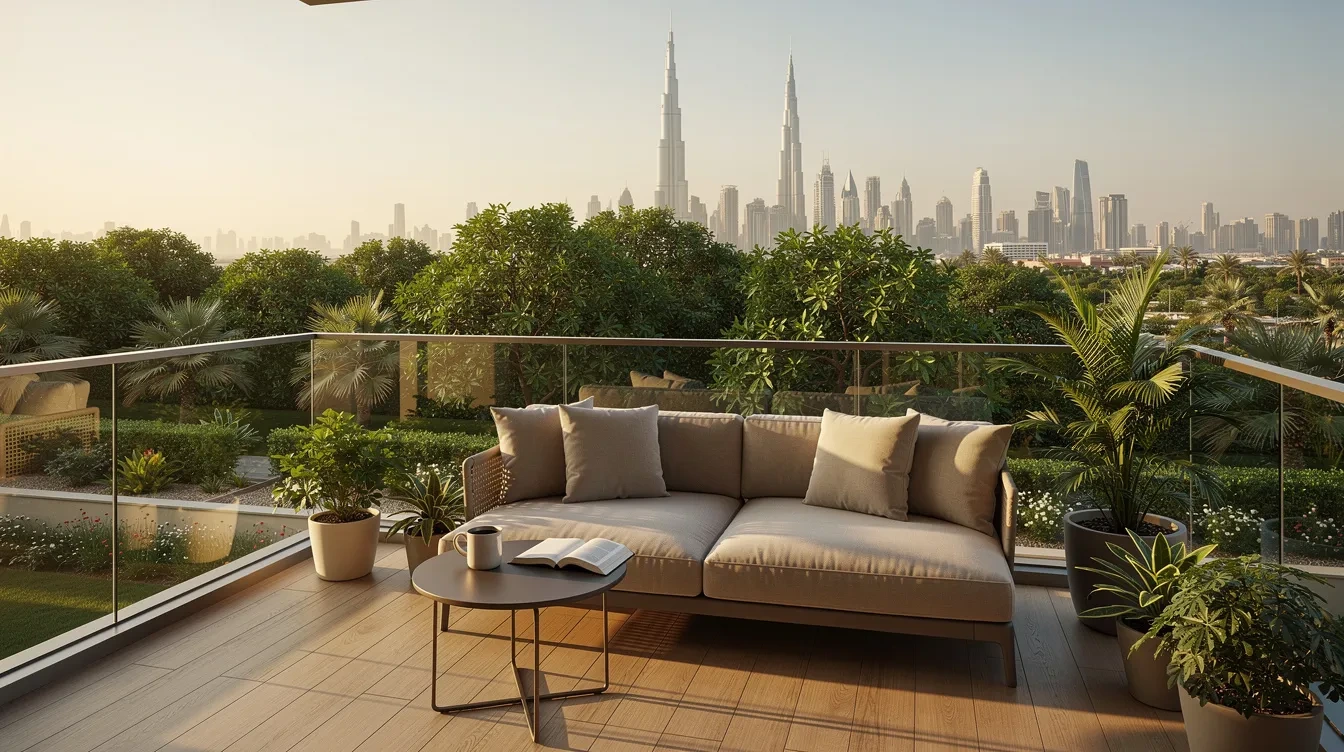
9. Practical Steps to Start Your Dubai Property Investment Journey
Dubai’s process is structured, even for overseas buyers. The right investment advice should be practical, not dramatic.
Align goals and budget. Decide whether you want rental income, capital appreciation, a future home, or a balanced investment. For many buyers, AED 700,000 to AED 1.5 million can open the door to entry-to-mid apartments.
Choose location and type. Compare downtown dubai for prestige, Dubai Hills Estate for family living, and Al Majan or Dubai Production City for value and growth.
Vet people and projects. Work with qualified real estate agents and reputable developers. Check handover history, RERA registration, construction progress, and finished quality.
Arrange finance. Decide between cash, mortgage, or a loan. Non-resident finance depends on eligibility, income, and bank policy.
Reserve and register. Select the unit, pay the booking amount, sign the Sales and Purchase Agreement, and complete DLD registration.
Before buying property, review the full cost, expected rent, service charges, likely vacancy, exit plan, and whether the community suits real tenants. That is how investors protect benefits while understanding risks.
10. Looking Ahead: The Future of Dubai Real Estate
The Dubai real estate market is transitioning into a mature, stable, and strategy-driven ecosystem with projected annual growth of 4% to 10%. With D33, Dubai 2040, population growth, and infrastructure expansion, we believe the next cycle will reward discipline more than noise.
Dubai’s population is projected to move toward 5.8 million residents by 2040, which implies sustained housing demand across both prime and emerging areas. At the same time, wellness-centric design, sustainable materials, smart home technology, and community-driven planning are becoming the new standard for real estate.
For us at Meraki Developers, the future of dubai real estate is not only about prices. It is about creating places where people arrive, exhale, and stay. If you are ready to invest with a long-term lens, explore our communities in Al Majan, Arjan, and Me’aisem as a calm starting point for your investment journey.